
Optimizing Recirculating Cooling Water Systems
In recirculating cooling water systems, the same water is continuously cycled through heat exchangers, condensers, and cooling towers, which means any buildup of contaminants can have a serious impact. The biggest challenges in these systems are scale formation, corrosion, biological fouling, and suspended solids accumulation. Because the water is reused, dissolved minerals and organic matter can concentrate over time, leading to more aggressive scaling and fouling if not properly treated.
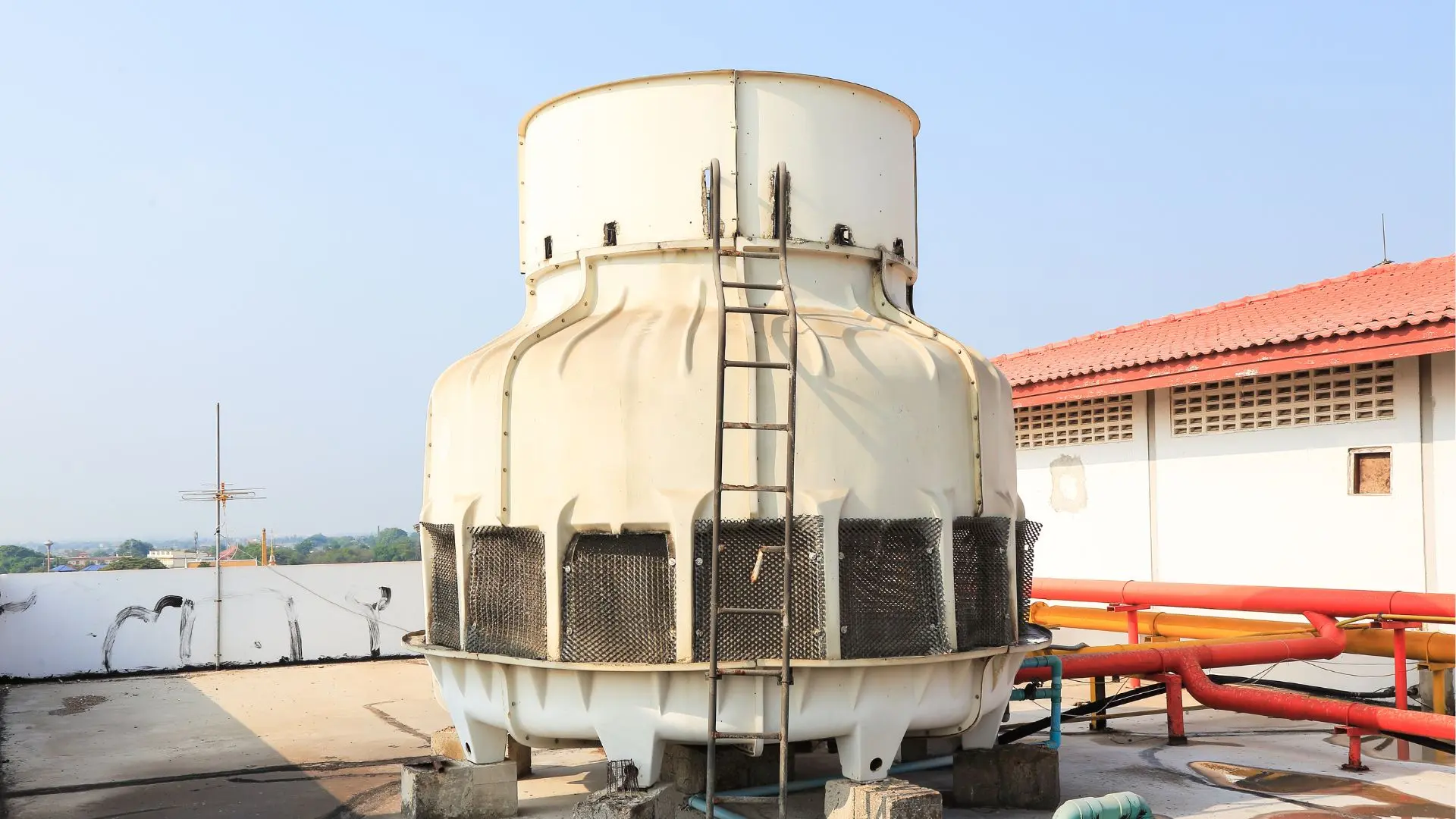
Scale formation occurs when minerals like calcium carbonate and silica come out of solution and deposit on heat exchange surfaces. This reduces heat transfer efficiency and increases energy costs. Using scale and corrosion inhibitors like polyphosphates and phosphonates helps keep these minerals in solution, preventing deposits from forming. If scale does develop, acidic cleaners can remove it, restoring system efficiency.
Corrosion is another major issue, particularly when oxygen or aggressive water chemistry interacts with metal surfaces. Corrosion inhibitors like zinc-based compounds or sodium molybdate form a protective layer that minimizes metal degradation. In addition, maintaining the proper alkalinity and pH levels using acids or bases ensures that the water remains within a range that prevents both scaling and corrosion.
Biological fouling is especially problematic in recirculating systems, where warm temperatures and nutrient-rich environments encourage the growth of bacteria and algae. Biocides such as glutaraldehyde, quaternary ammonium compounds, or peracetic acid are essential for keeping the system free from microbial contamination. If left unchecked, biofilms can form on heat exchanger surfaces, dramatically reducing system efficiency and increasing energy consumption.
To maintain a clean and efficient recirculating cooling water system, routine monitoring of water chemistry, periodic cleaning, and regular dosing of inhibitors and biocides are essential. By managing these factors proactively, downtime is minimized, energy efficiency is improved, and equipment lifespan is extended.
Talk to a Specialist
Please fill out the form below, and we will respond as soon as possible.
Prefer to call? (209) 231-3977 | info@capacitychemical.com