
Brewery Programs
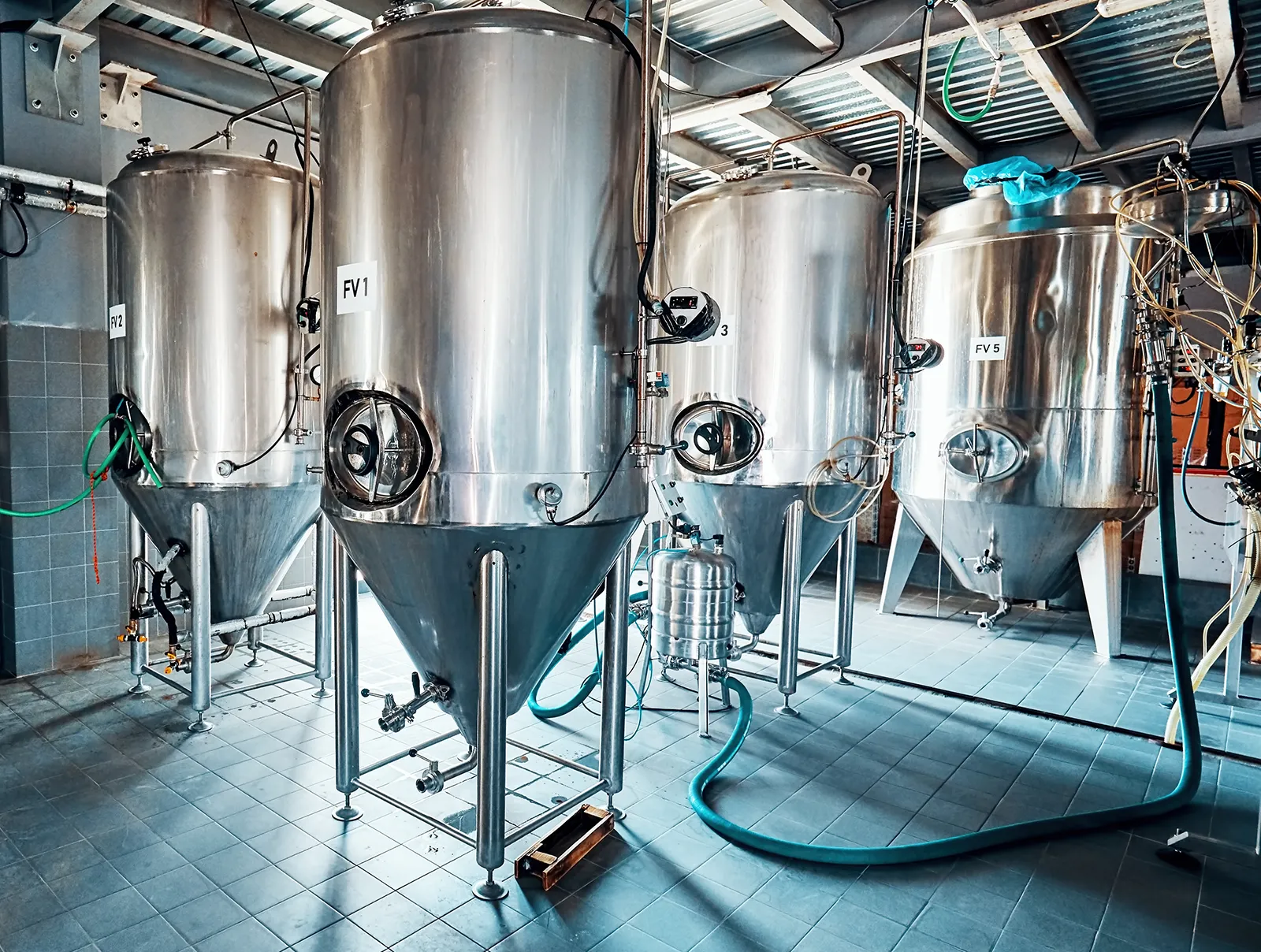
Brewery cleaning and sanitation programs are critical to producing high-quality beer that is safe for consumption. The brewing process involves many steps, from milling the grains to fermenting the wort, and each step requires a clean and sanitized environment to prevent contamination and ensure consistent flavor.
Cleaning is the first step in any brewery cleaning and sanitation program. The equipment used in the brewing process, such as kettles, fermenters, and hoses, must be thoroughly cleaned between batches to remove any organic material, such as leftover hops or yeast, that could harbor and feed bacteria and cause spoilage. This cleaning is typically done using alkaline detergents that are specifically designed for brewery equipment.
Sanitation is the next step in the brewery cleaning and sanitation program.
Sanitizing the equipment involves using chemical disinfectants to kill any remaining bacteria or other microorganisms that could cause spoilage or contamination. Common sanitizers used in breweries include iodophor, peracetic acid, and chlorine dioxide. It is important to follow the manufacturer’s instructions when using these chemicals, as they can be dangerous if not handled properly.
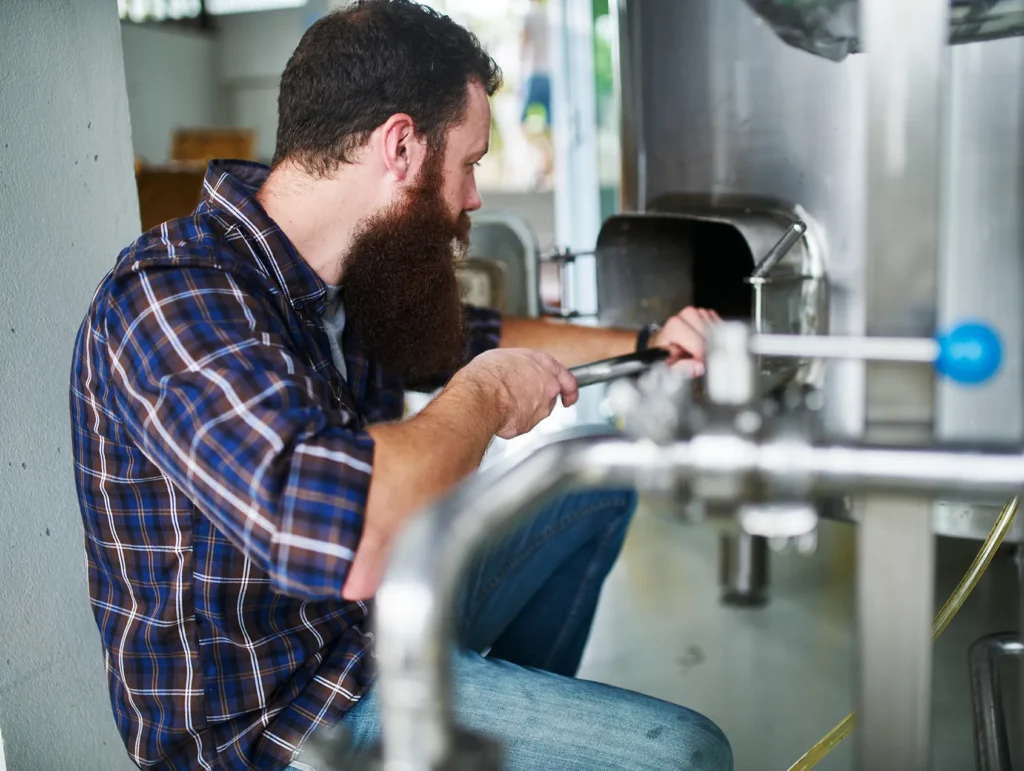
In addition to cleaning and sanitation, breweries may also implement quality control measures to ensure that their beer meets certain standards for flavor and consistency.
This may include:
- Monitoring the temperature and pH of the wort
- Testing the alcohol content of the finished beer
- Conducting taste tests to evaluate the flavor and aroma of the beer.
Talk to a Specialist
Please fill out the form below, and we will respond as soon as possible.
Prefer to call? (209) 231-3977 | info@capacitychemical.com